📅 Wednesday, 08 Apr 2026 | 📞 +91 9811772791

Casting - Sakun Group

Sakun Group specializes in high-quality casting processes, ensuring precision and durability across a wide range of industrial applications. With advanced techniques and strict quality control, every casting is produced to meet exact performance and reliability standards.

Sand Casting

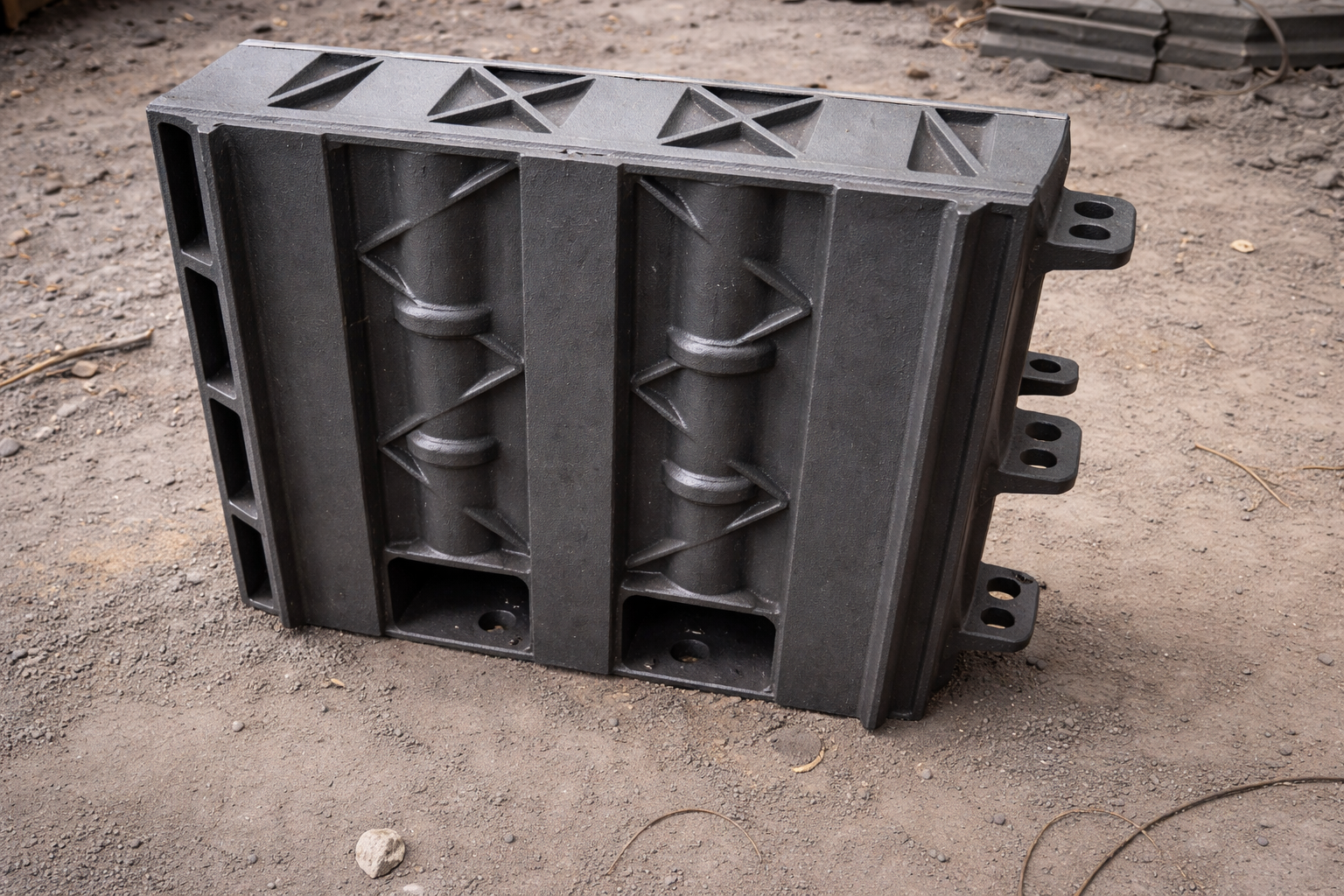
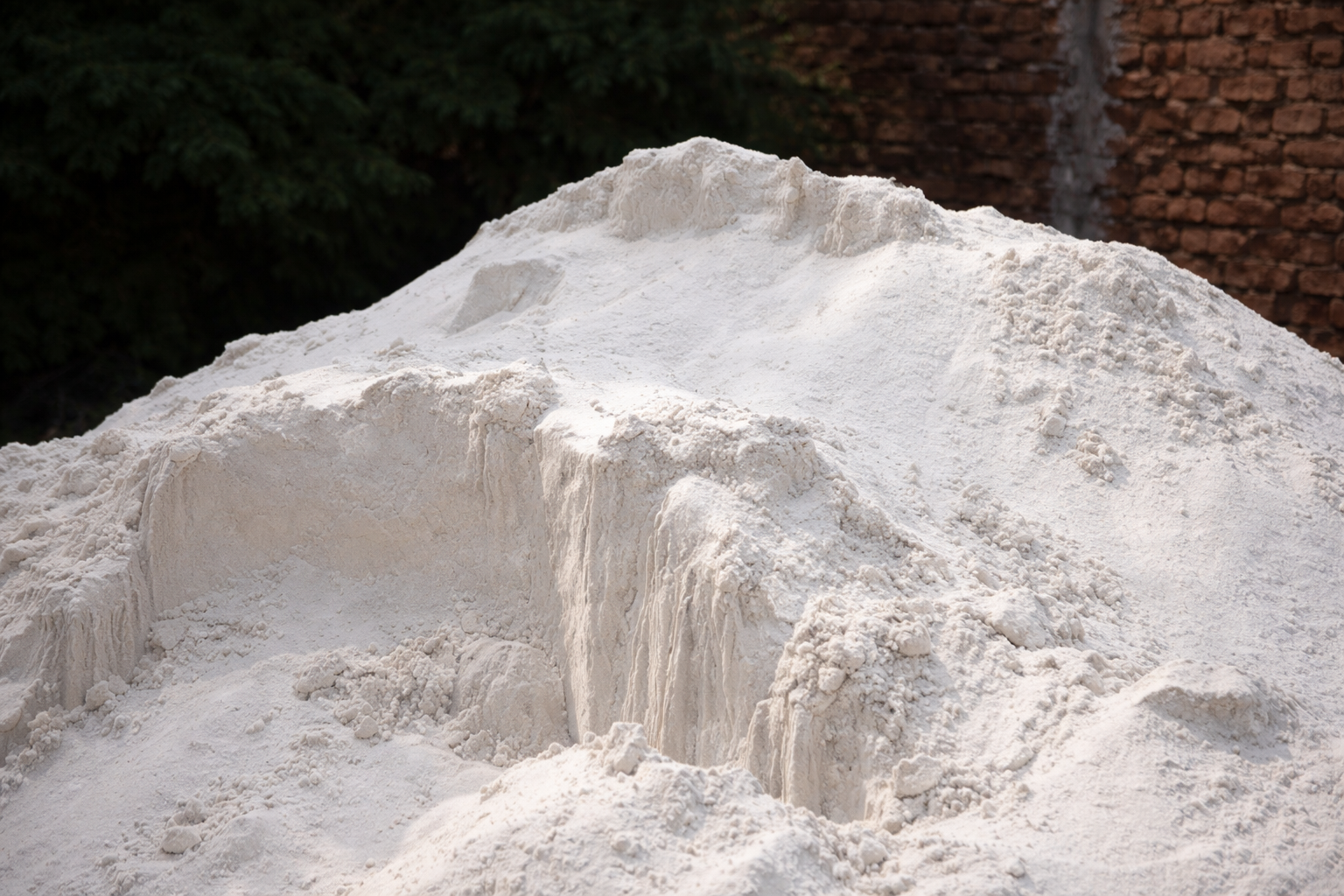
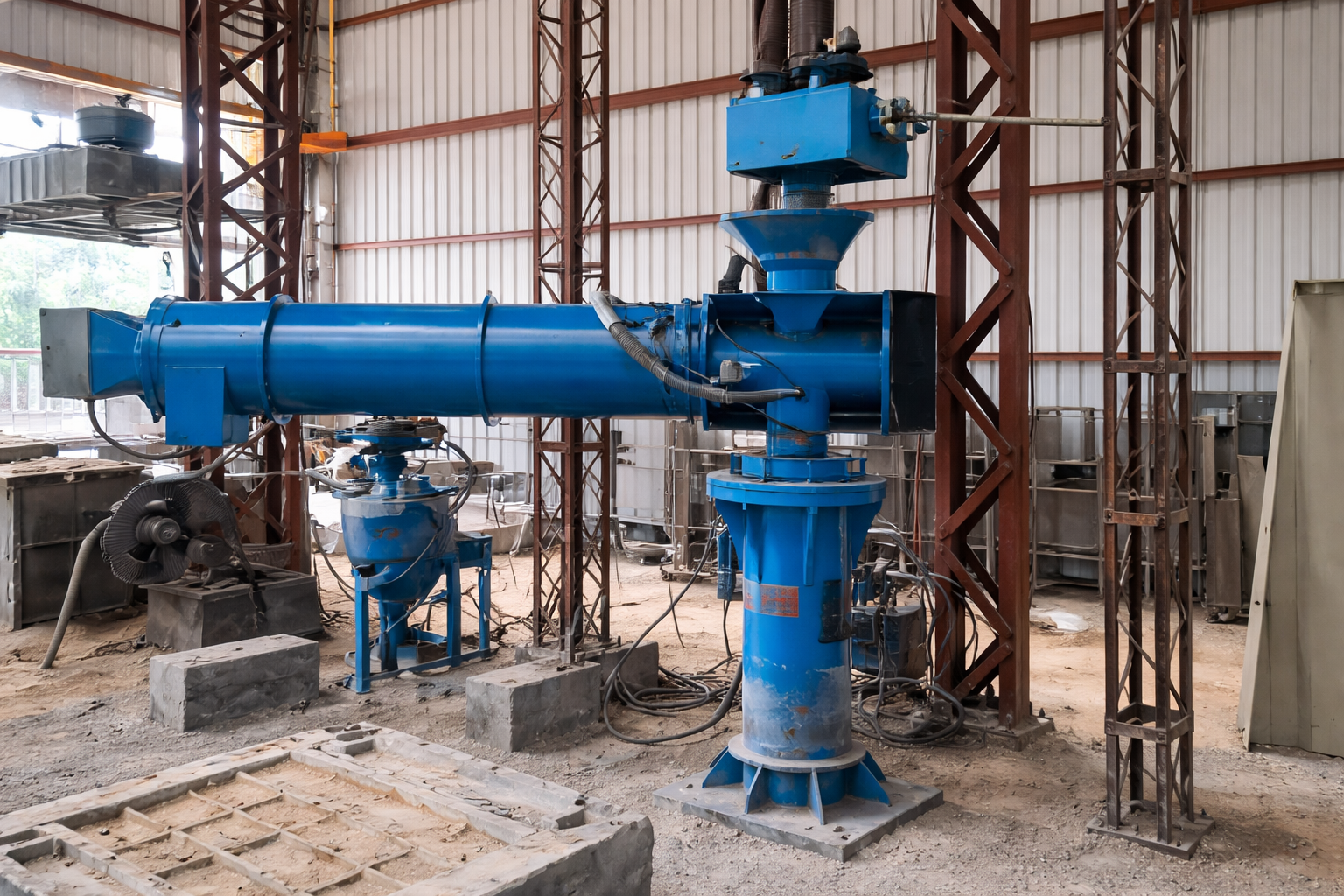
Sand casting is a versatile, ancient, and widely used manufacturing process that creates metal parts by pouring molten metal into a disposable sand mold. It enables the production of complex, heavy, or high-melting-point components (such as steel and titanium) in a cost-effective manner. This process is ideal for large and intricate parts, with production rates averaging 200–300 units per hour.

Key Aspects of Sand Casting:
  • The Process: A pattern of the part is used to create a mold cavity in sand (typically silica mixed with a binder). Molten metal is poured into this cavity, cooled, and the sand mold is then broken away to release the finished part.
  • Types of Sand Molding:
    • Green Sand: Uses sand, clay, and water; cost-effective but contains moisture.
    • No-Bake (Air Set): Uses chemical binders that cure at room temperature.
    • Vacuum Molding (V-process): Uses unbonded sand held in place by vacuum.
  • Applications: Commonly used for engine blocks, pump housings, and large industrial components.
  • Advantages: Suitable for almost all metal alloys, very low tooling costs, and capable of casting very large parts.
Pressure Die Casting

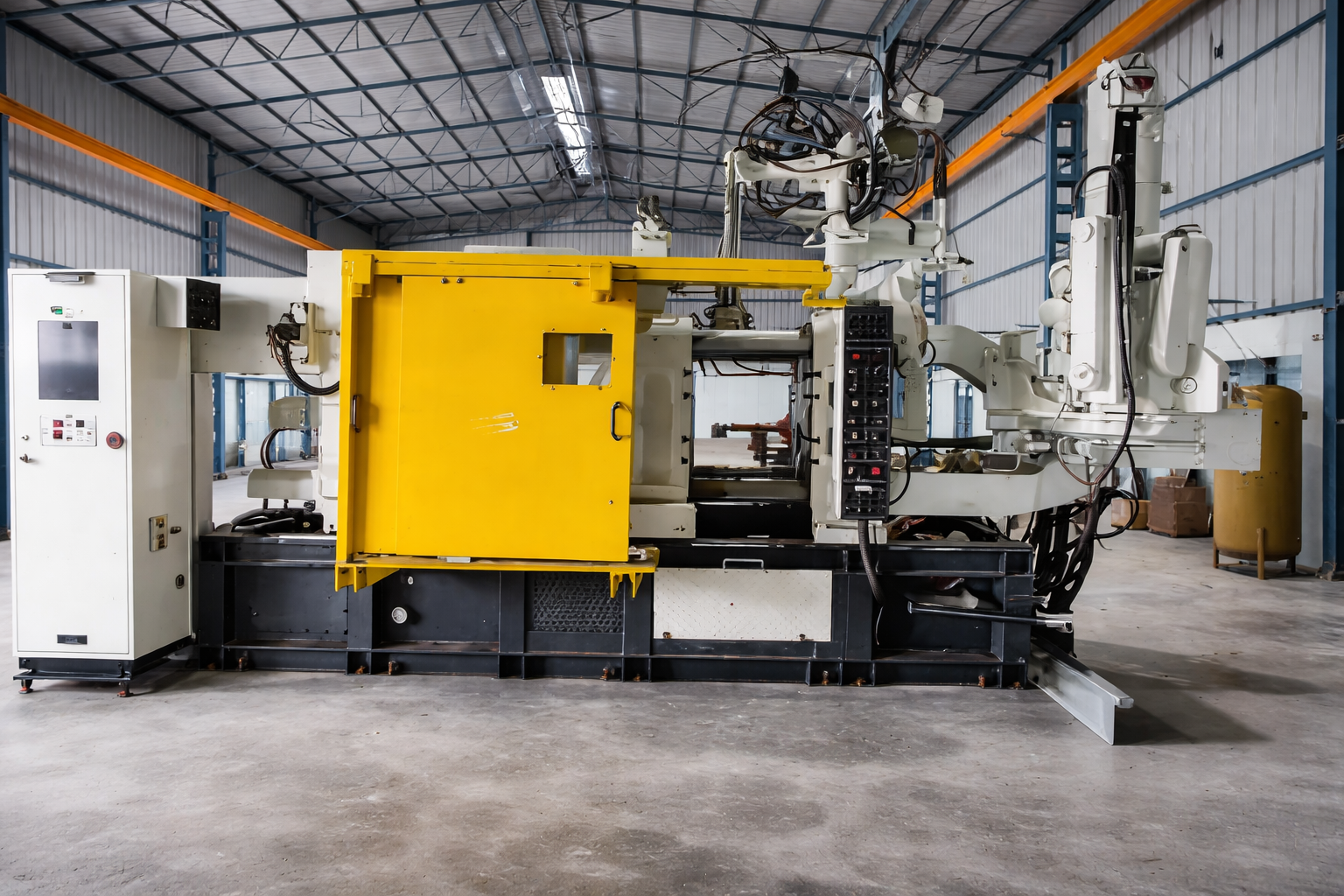
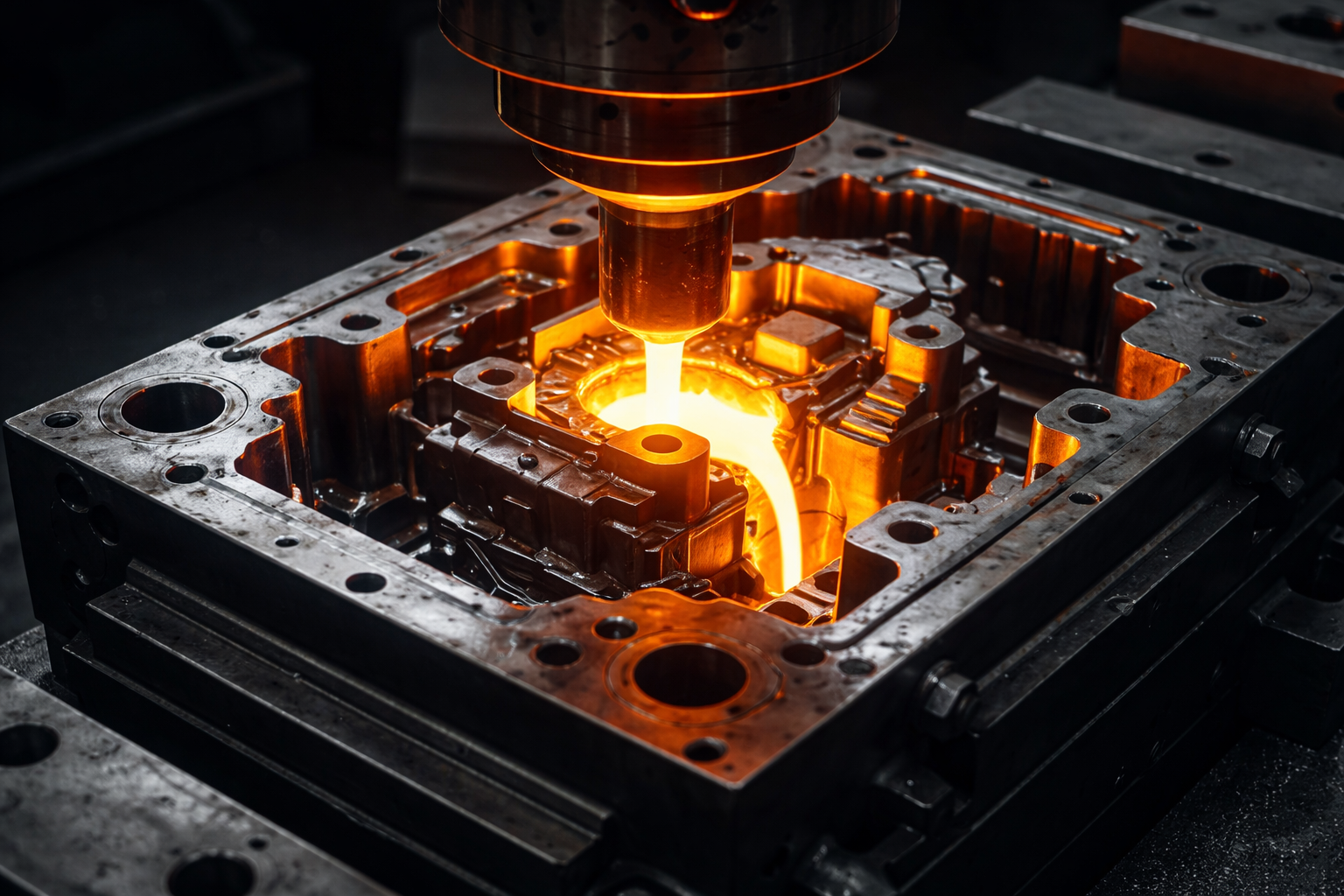
Pressure die casting (specifically High-Pressure Die Casting or HPDC) is a high-speed, automated manufacturing process that forces molten non-ferrous alloys—typically aluminum, zinc, or magnesium—into steel molds at high pressures. It produces complex, high-precision, and lightweight parts with excellent surface finishes and superior strength-to-weight ratios in high volumes.

Key Details of the Pressure Die Casting Process:
Process Stages:
  • Mold Preparation: The steel dies (molds) are preheated and lubricated, often with a release agent for easy part removal.
  • Injection: Molten metal is injected into the closed die at high velocity (up to 80 m/s) and high pressure.
  • Solidification & Ejection: The metal solidifies rapidly under pressure, after which the die opens, and an ejector mechanism pushes the part out.
  • Finishing: Excess material (gating, flash) is trimmed off using a trimming die.
Advantages:
  • High Efficiency: Rapid cycle times and automated production mean high production volumes.
  • Complexity & Accuracy: Capable of producing thin-walled, complex shapes with tight tolerances.
  • Quality: Produces dense, fine-grained parts with good surface finishes.

Gravity Die Casting

Gravity die casting (permanent mold casting) is a metal casting process that uses reusable steel or iron molds, relying on gravity to fill the cavity with molten metal, typically non-ferrous alloys like aluminum, zinc, or copper. It produces high-quality, dense components with excellent surface finish and superior mechanical properties compared to sand casting.

Key Aspects of Gravity Die Casting
  • Process Steps: Preheating the die and applying a refractory coating, closing the die, pouring molten metal (manually or automatically), cooling/solidification, opening the die, and extracting the part.
  • Mechanism: Molten metal is poured directly into the mold, often using a "tilt pouring" technique to reduce turbulence, minimize oxidation, and avoid air entrapment.
  • Materials: Ideal for aluminum, magnesium, and copper-based alloys, as well as cast irons.
  • Dies: Reusable metal molds (steel or iron) are used, which are more durable and provide better accuracy than sand molds.
  • Benefits:
    • High Quality: Better surface finish, higher mechanical strength, and tighter dimensional tolerances (~0.3mm to 0.5mm).
    • Cost-Effective: Lower tooling costs than high-pressure die casting.
    • Efficiency: Rapid solidification due to the metal mold allows faster cycle times than sand casting.
Applications:

Used extensively for automotive parts (pistons, cylinder heads), industrial machinery (pump parts), aerospace components, and kitchen utensils.

HRCS Casting

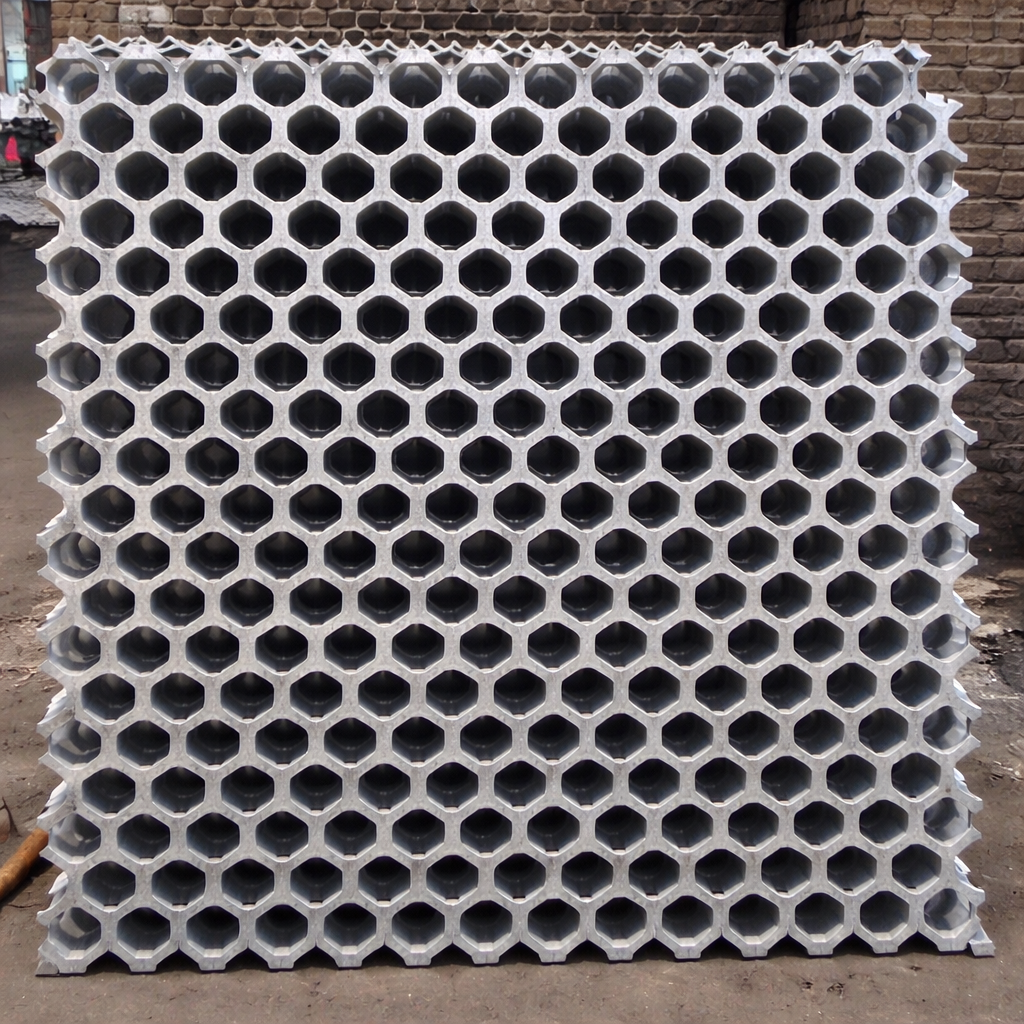
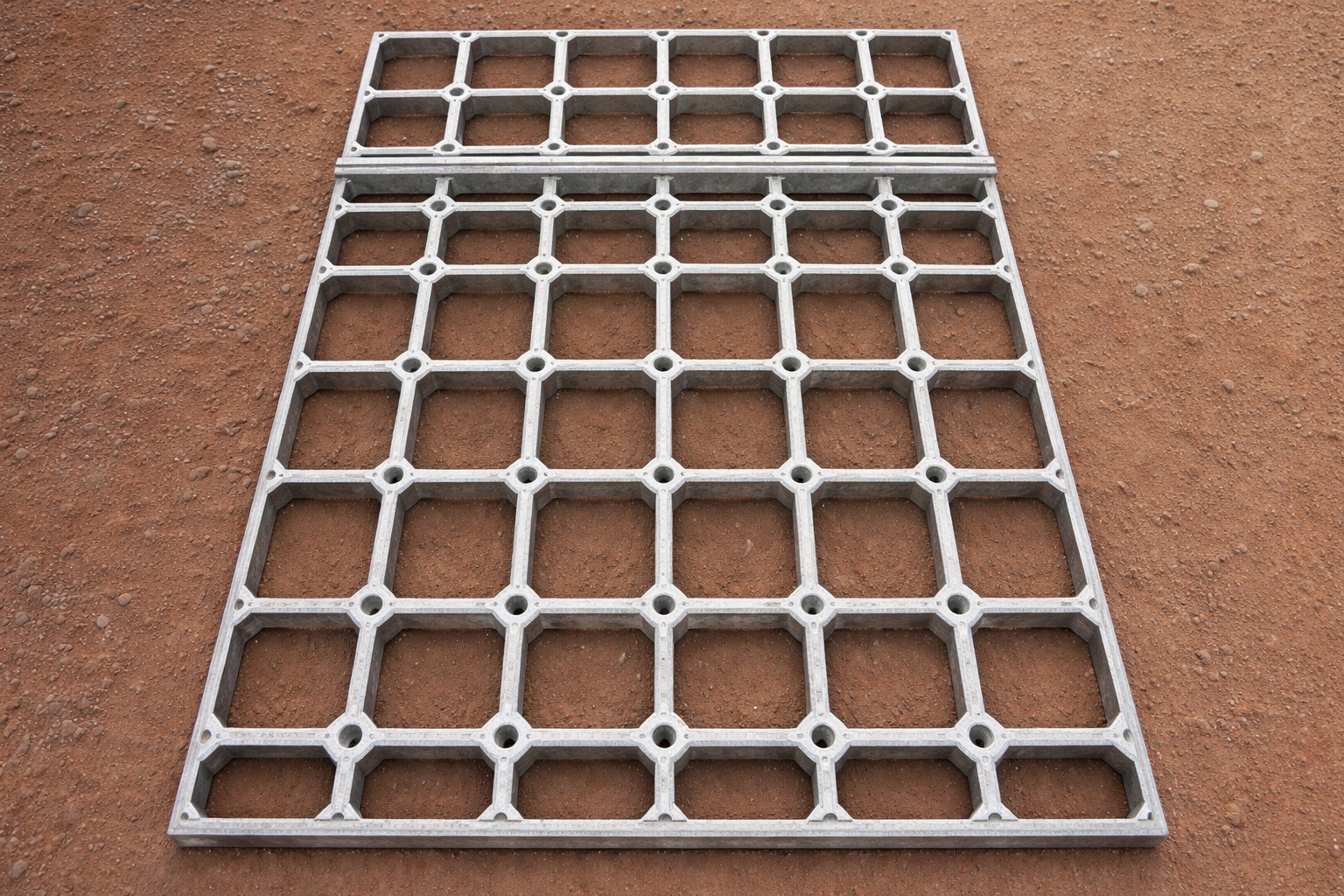
HRCS casting (Heat Resistant Castings / Hot Rolled Carbon Steel Castings) refers to specialized, durable metal components designed to withstand high-temperature, wear, and corrosive environments. These are widely used in cement, mining, and power industries. Produced using advanced foundry methods, HRCS castings are ideal for robust parts like cooler plates, tips, and kiln components, with customizable high-grade steel compositions.

Key Details of HRCS Castings:
  • Applications: Used in cement plants (cooler plates), steel plants, power generation, and mining industries for high-temperature and abrasive environments.
  • Material Types: Includes heat-resistant steel, stainless steel, cast steel, and hot-rolled carbon steel.
  • Properties: Known for durability, corrosion resistance, high rigidity, and ability to withstand extreme temperatures.
  • Manufacturing: Involves molding, pouring, and advanced casting techniques using high-grade alloys and scrap materials, with optional heat processing.
  • Common Products: Tip castings, cooler plates, coal spouts, kiln parts, and valves.
Typical Technical Specifications:
  • Hardness: Varies by grade and customized for abrasion resistance.
  • Surface Treatment: Supplied in raw, blasted, or heat-treated conditions.
  • Weight: Fully customizable, from small components to large industrial parts.

Centrifugal Casting

A high-precision casting process using rotational force for superior material quality.

Centrifugal Casting Image 1
Centrifugal Casting Image 2

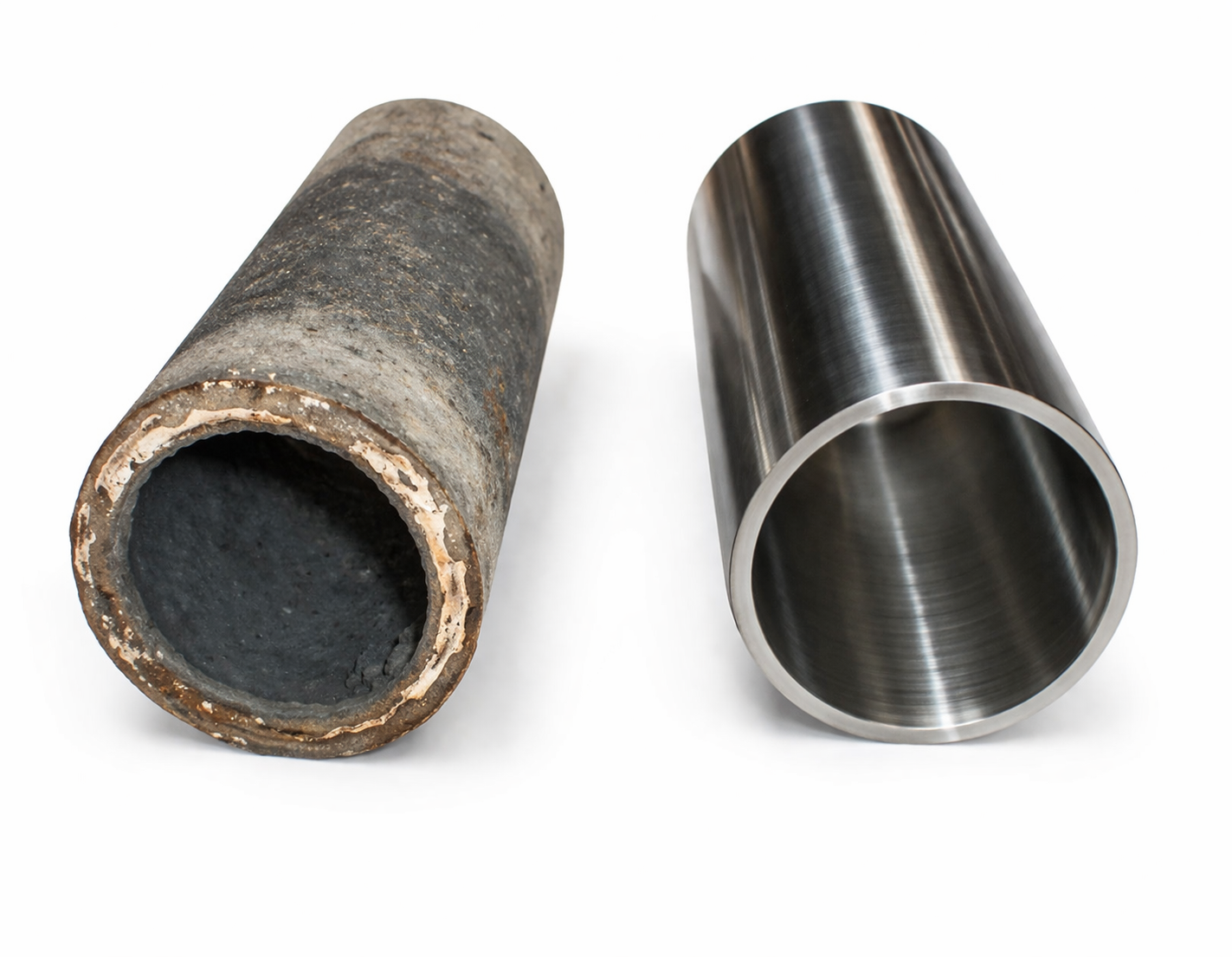
Centrifugal casting is a specialized manufacturing process where molten material such as metal, glass, or concrete is poured into a rotating mold. The centrifugal force distributes the material evenly, resulting in dense, high-strength components with excellent structural integrity.

Key Process
  • Process: Molten material is poured into a spinning die (horizontal or vertical), allowing centrifugal force to shape the component.
  • Types:
    • True Centrifugal Casting: Used for pipes, tubes, and cylinder liners.
    • Semi-Centrifugal Casting: Uses a core for hollow symmetrical parts.
    • Centrifuging: Rotates smaller molds for multiple components.
Benefits & Applications
  • Advantages: High strength, excellent reliability, minimal porosity, and precision casting of complex shapes.
  • Applications: Pipes, cylinder liners, bearing bushes, gears, and industrial components.